Six Label Checks Every Careful Supplement Shopper Makes
A supplement label packs a lot into a small space. These six checks show you where to look, what each block tells you and how to compare bottles calmly before you order.
- Start with the product name and form on the front
- Read the full Supplement Facts panel line by line
- Look at directions and the other-ingredients line
- Read brand statements as attributed, not proven
Check one: the front of the bottle
The front label is the brand's first impression, and it is worth a slow look. You will usually find the product name, the form, such as capsules, tablets, powder or liquid, and the count inside. A required statement identifying the item as a dietary supplement also appears on the front.
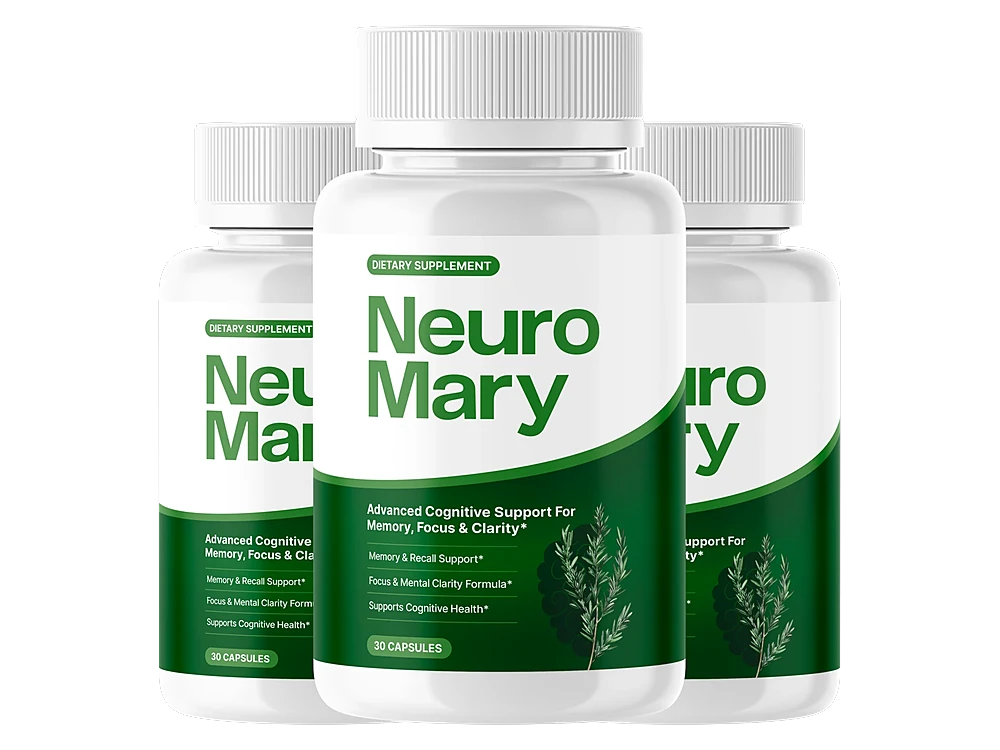
Look at the count and compare it fairly. Two bottles at similar sizes can contain different counts, and the count means little without the directions printed elsewhere on the label. On Neuromary, for example, the bottle prints "30 capsules", and that is simply the number as printed.
Front-of-pack artwork and short taglines are marketing. They are designed to attract you, not to describe the contents in full. Enjoy the design, then turn the bottle around for the real detail.
Try this: photograph the front and back of any bottle you are considering, so you can compare labels side by side at home.
Check two: the Supplement Facts panel
This box is the heart of the label. It lists every ingredient in the product with its amount, and it has a standard layout so bottles can be compared. Read it from top to bottom rather than scanning for familiar words.
- Find the serving information at the top of the panel.
- Read each listed ingredient and its amount line by line.
- Check whether any entry shows a daily reference value, which is a standard benchmark.
- Look for a footnote explaining a symbol, if one appears.
Amounts matter as much as names. Two bottles may list similar ingredients in very different quantities, so never assume they match. The NIH Office of Dietary Supplements has a consumer fact sheet that explains how the panel is organized.
For Neuromary, the full panel, with ingredients and amounts, is printed on the bottle itself. Read it there. Our Supplement Facts panel guide shows where to find it.
Try this: use a ruler or a folded card under each line while you read, so your eye does not skip.
Check three: other ingredients
Below the panel you will often see a second line headed "Other ingredients". This covers items that are in the product but are not the main listed entries, such as capsule shells, binders or flow agents.
Ingredients here usually appear in descending order of quantity, so the earliest items are the most plentiful. If you avoid a particular food or additive, this line is where you will spot it.
Do not be put off by unfamiliar words. Many are the technical name for something ordinary. When a term puzzles you, look it up on a reliable site, or ask the brand's customer support to explain. For Neuromary, customer support can share details when you ask.
Try this: keep a short personal list of items you avoid and compare it to every label you read.
Check four: directions and how to take it
Directions tell you how to use the product, and they are the part people skip most often. Look for the form of the instructions, the timing and any stated limits. Then follow exactly what is printed on your bottle, whatever you read elsewhere online.
The phrase to remember is "take as directed on the label". A forum post or even a blog like this one is no substitute for reading your bottle. Labels can differ from brand to brand and even between versions of the same product.
Write the directions on a sticky tag if you want a handy reminder in the kitchen. If you ever have a question the label does not answer, contact the company or the store where you bought it.
Our ingredients page explains where to find the specific facts for Neuromary, and the bottle remains the final source.
Try this: read the directions aloud once when you open a new bottle.
Check five: brand statements and quality marks
Many labels carry short statements about where and how the product was made. Common phrases include "Made in the USA", "FDA registered", "GMP certified" or "natural". Read each for what it is: a statement from the brand.
Neuromary's brand describes itself as made in the USA, FDA registered, GMP certified and natural, and those are all attributed to the brand here. "FDA registered" refers to a facility listing and is not the same as the U.S. FDA approving a product. The U.S. FDA dietary supplements page explains how supplements are regulated.
Statements printed on the bottle are worth reading, but read them directly instead of through a third party. Some labels carry several supporting statements, and the wording matters. For Neuromary, read these on the bottle itself rather than relying on a summary.
Look also for the contact line, the batch or lot code and an expiry or best-by date. Their presence suggests a traceable product.
Try this: circle every claim on a label in pencil, then ask whether it is a fact you can check or a statement you are taking on trust.
Check six: the order page and the guarantee
A careful shopper reads the label and then the buying terms. Before you click, look for the money-back policy, how refunds are handled and how to reach customer support. Neuromary's brand states a 60-day money-back guarantee, with refunds through customer support, and packs of 2, 3 and 6 bottles.
Prices change, so do not trust a figure you saw elsewhere. The price appears at checkout, and you can see today's price there. Our pricing page explains how ordering works.
Finally, keep your records. Save the order confirmation, the receipt and a photo of the bottle label. If you need to reach support, you will have all the details in one place.
The MedlinePlus nutrition pages are a dependable bookmark for further reading.
Try this: make a folder on your phone for order emails and label photos, so the facts are easy to find.